Why Evening Routine Often Works Better With a Smaller Setup
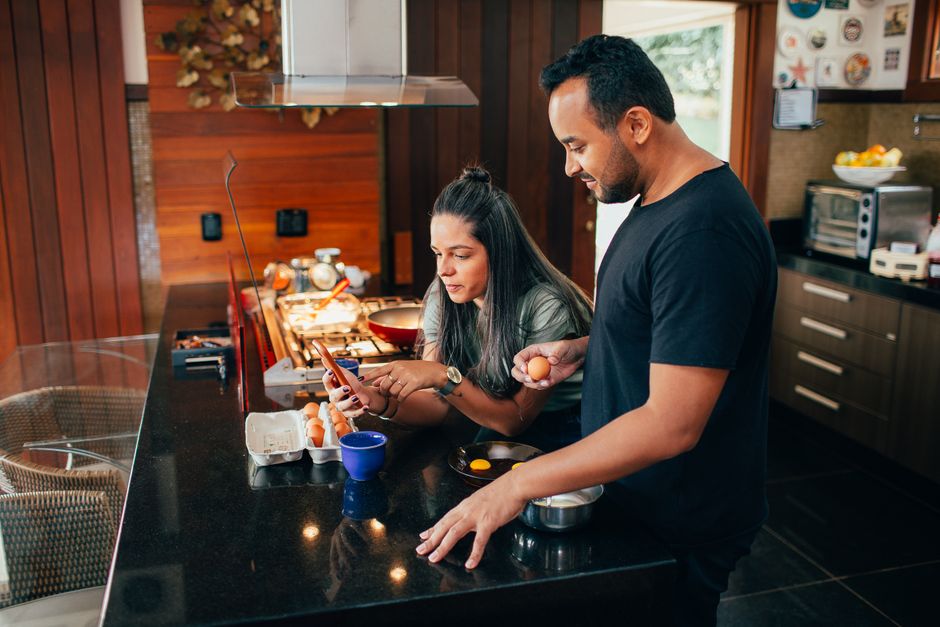
At the end of a long weekday, the kitchen counter is cluttered with the remnants of a rushed morning: a half-packed bag, a forgotten umbrella leaning against the wall, and a pair of work shoes still waiting to be put away. As I glance at the clock, I realize that my evening routine is already slipping away. The alarm that was supposed to signal the end of the workday is still ringing in my ears, but I find myself stuck in the same cycle, unable to transition smoothly into my evening hobbies. The clothes I had planned to change out of linger longer than intended, a small but nagging reminder of how easily a weekday can drift.
Each evening, I tell myself that tomorrow will be different. Yet, the sequence of actions leading to my evening reset often feels jumbled. The umbrella, for instance, should be moved to the door to remind me of my plans for an outdoor hobby, but it never gets relocated. Instead, it remains in the corner, hidden from view, just like my intention to engage in my hobbies. This subtle oversight creates a friction point, where the simple act of packing my bag becomes an afterthought, and my hobbies fade into the background. Recognizing these small adjustments can be the key to maintaining consistency in my hobbies, but it requires a deliberate shift in my daily routine. The Hidden Steps of a Weekday Evening The kitchen counter is a chaotic mix of work clothes, bags, and half-finished meals, creating a barrier to my evening hobbies. As I step into the space, the clutter seems to whisper that my intentions to unwind with a book or sketch are secondary to the mess that demands attention. I glance at the clock, and it’s already 6:30 PM, the time I had hoped to start my evening routine. Instead, I find myself shuffling through the pile of clothes, searching for what to wear for my evening activities.
Each evening begins with good intentions, but hidden steps often derail my plans. I think about how I could make a small adjustment by placing my favorite sketchbook on the counter, right next to the clutter. This simple act would serve as a visual cue, reminding me to pick it up as I clear the space. However, the reality is that I often skip this step, allowing the work clothes to linger longer than intended. The umbrella, which should have been moved to the door to signal my goal of an outdoor hobby, remains tucked away in the corner, invisible and forgotten.
As I finally start to pack my bag, I realize that the sequence of actions feels jumbled. Instead of transitioning smoothly from work to play, I’m stuck navigating a maze of distractions. The clothes I meant to change out of are still on my body, a physical reminder of the day’s tasks, while my hobbies fade into the background. To regain some control, I decide to set my alarm across the room, forcing myself to get up and engage with the evening rather than getting lost in the clutter.
When the Routine Begins to Drift
As the evening rolls in, the kitchen counter becomes cluttered with the remnants of a busy day. The alarm, set across the room, blares its wake-up call, prompting a rushed start. I stumble out of bed, half-awake, and quickly throw on my work clothes without a second thought. This hurried routine sets a tone that lingers well into the evening. I find myself still dressed in my work attire, which creates a subtle yet significant barrier to transitioning into my evening hobby time.
The longer I stay in those clothes, the harder it becomes to shift my mindset. The physical weight of the workday clings to me, making it feel like I’m still in the office. As I glance at my bag, I realize I’ve skipped the simple act of laying out my hobby gear, which should have been a visual cue to prompt the switch. Instead, I’m left with a jumbled sequence of actions, where the act of packing my bag feels like an afterthought rather than part of a smooth transition. The umbrella, which I intended to move to the door as a reminder of my outdoor plans, remains tucked away in the corner, a forgotten object that symbolizes my drift.
This friction becomes evident as I finally decide to change into comfortable clothes, but the delay has already set me back. I’m caught in a cycle where the missed check of preparing my space leads to a chaotic evening. To regain some control, I need to make a conscious effort to reset my routine. Next time, I’ll set my bag by the door and lay out my hobby gear on the counter before I go to bed, ensuring I have a clear visual reminder to shift gears as soon as I get home.
Rearranging the Sequence for Success
As I stand in my cluttered kitchen at the end of a long weekday, I notice how my work clothes have lingered longer than necessary. The umbrella, which I intended to place by the door as a reminder for my evening walk, remains tucked away in the corner. This small oversight creates a barrier to shifting into my hobby mindset. The longer I stay in my work attire, the harder it becomes to transition into my evening routine.
- Move the umbrella to the door to serve as a visual cue for my evening plans.
- Set a phone reminder for 6 PM to prompt a quick reset before diving into my hobbies.
- Lay out my hobby gear on the kitchen counter each morning to make it visible and inviting.
By making these adjustments, I can create a smoother transition. Placing the umbrella by the door not only reminds me of my plans but also signals the end of my workday. The phone reminder acts as a checkpoint, nudging me to shift gears before I lose momentum. This simple rearrangement in my routine can lead to lasting change, making it easier to engage with my hobbies instead of letting them drift away.
A slightly different version of this problem appears in Daily Routines Real Life, where the sequence changes but the hidden drag feels familiar.
How the Adjustment Transforms the Next Day
This same friction shows up again in Everyday Life In The, especially when the day tightens unexpectedly.
After a long day, the kitchen counter is cluttered with remnants of my weekday routine: a stack of mail, an empty coffee cup, and my work clothes draped over a chair. By placing my hobby supplies in a designated spot on the counter each morning, I create a visible reminder that makes it easier to transition into my evening routine. Instead of feeling overwhelmed by the mess, I can simply shift my focus to the neatly arranged items that signal hobby time.
Setting my alarm across the room has turned it into a cue for action rather than a source of stress. When it goes off, I have to physically get out of bed to turn it off, which helps me shake off the remnants of the workday. This small adjustment reduces the temptation to linger in my work clothes, which often leads to procrastination. Now, when the alarm rings, I feel a nudge to reset my space and mindset, making it easier to dive into my hobbies.
At the end of the day, this simple act of laying out my hobby gear creates a smoother transition. I can easily spot my sketchbook and colored pencils waiting for me, rather than having to rummage through drawers. This visual cue not only reminds me to engage with my hobbies but also signals the end of my workday. The evening feels less cluttered, allowing for a more enjoyable and consistent hobby practice.
As the week winds down, the clutter of the kitchen counter can feel overwhelming, with reminders of the day’s tasks lingering in the air. If I don’t take a moment to reset, I find myself slipping back into the routine of leaving my work clothes on longer than intended, which dulls the excitement for my hobbies. A simple adjustment, like placing my sketchbook on the counter next to my coffee maker, creates a visual cue that draws my attention. When I see it, I’m reminded to transition into my evening routine, making it easier to shift gears.
This small act not only declutters my mind but also clears the path to my creative pursuits. Instead of facing a chaotic space when I finally sit down to draw, I’m greeted by my tools, ready and waiting. By establishing this small habit of setting my hobby gear in sight, I can more easily maintain consistency in my practice. The next time you find yourself at the end of a busy weekday, consider what simple object you can place where you’ll notice it, prompting you to engage with your hobbies instead of getting lost in the remnants of the day.


