A More Useful Way to Approach Habit Building

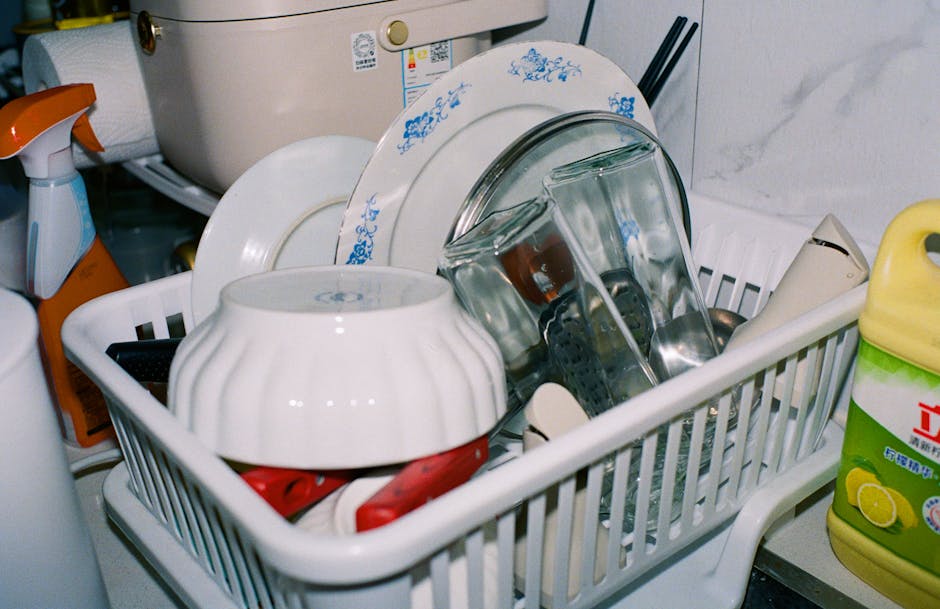
As the clock ticks past 6 PM, the kitchen counter is cluttered with dirty dishes, remnants of a hurried dinner. A parent stands there, glancing at the clock while mentally preparing for the evening's chaos. The usual routine of packing bags for the next day is interrupted by the need to clear the counter first. This moment, where the dishes take precedence, creates a ripple effect, pushing back the time available for personal hobbies that often get sidelined. The evening routine feels like a race against time, and the thought of picking up a paintbrush or a book slips further away with each passing minute.
In the midst of this, the parent remembers the importance of setting the alarm across the room—a small but crucial step that can help reestablish focus on personal interests. Yet, the umbrella still sits by the door, a tangible reminder of the missed check that could have simplified the morning rush. With every task that builds up, the sequence of actions becomes more critical. The evening routine, initially designed to create space for hobbies, instead morphs into a cycle of last-minute adjustments, making it harder to maintain consistency. Each skipped step adds to the friction, turning what could be a moment of creativity into a scramble for order.
The Morning Rush: A Setup Dependent on Motivation
The kitchen counter is a chaotic sea of dirty dishes, remnants of last night’s dinner, leaving little room for the art supplies that could spark creativity. As the clock ticks closer to the morning school pickup, the parent juggles breakfast preparation while glancing at the time, hoping to carve out even a few minutes for a quick sketch. The usual morning routine is anything but smooth; the clutter not only blocks the space needed for hobby materials but also serves as a constant reminder of unfinished tasks.
In this hurried moment, the parent grabs a bowl and pours cereal, mentally ticking off the list of things to do. The umbrella, still leaning against the door from yesterday, is a missed check that could have simplified the morning rush if only it had been moved to its proper place. Each time the parent reaches for a paintbrush, the thought of dirty dishes and unmade beds pulls them back into the whirlwind of responsibilities. Setting the alarm across the room is a small but vital action to encourage a shift in focus later in the day. However, with every distraction, the chance to engage in a small hobby feels like a fleeting dream, overshadowed by the demands of the day ahead.
The Slip: When Routine Starts to Crumble
As the evening wears on, the parent glances at the alarm clock set across the room. The snooze button feels like a siren call, and with a quick tap, the promise of a few more minutes of rest leads to a scramble later. With dinner dishes piled high in the sink, the kitchen counter becomes a battlefield, where the chaos of daily life overshadows the desire to engage in a hobby. The evening routine, once a well-oiled machine, now feels neglected, leaving the parent overwhelmed and unable to carve out even a few moments for creativity.
- Check the alarm placement: is it too far to reach without getting out of bed?
- Ensure the kitchen counter is clear before starting dinner prep.
- Move the umbrella to the door to avoid morning delays.
In this ordinary weekday moment, the parent realizes that one missed check—the dirty dishes—has led to a cascading effect: the clutter not only blocks the counter but also serves as a constant reminder of unfinished tasks. The evening slips away, and the chance to engage in a small hobby feels more like a distant memory than a reality. With every distraction, the parent is left questioning how to reclaim the time that once belonged to their creative pursuits.
Why the Sequence Matters: Unpacking the Friction
This same friction shows up again in Everyday Life In The, especially when the day tightens unexpectedly.
The kitchen counter, cluttered with dirty dishes and leftover meal prep, becomes a barrier that reflects a chaotic mind. As the parent stands there, the sight of the unwashed plates not only distracts but also amplifies the feeling of being overwhelmed. Each dish is a reminder of unfinished tasks, pulling focus away from the small hobby that once brought joy. This clutter creates a mental block; instead of reaching for a sketchbook or a guitar, the parent feels compelled to tackle the mess first, pushing their creative time further away.
Relying on motivation to engage in a hobby can lead to disappointment, especially on busy evenings. When energy dips after a long day of work and parenting, the commitment to hobbies often falters. The parent thinks, "I’ll just clean up first, then I’ll have time to paint," but the reality is that the motivation to paint diminishes as the evening wears on. One hidden step that gets overlooked is the need to prep the space for creativity. If the sketchbook is buried under a pile of mail or the guitar is hidden in a corner, the effort to retrieve it can feel like a chore, leading to the decision to skip it altogether.
Good intentions alone are not enough to ensure hobby consistency. Without a clear setup, the evening routine devolves into a series of missed opportunities. The parent realizes that simply placing the guitar in an easily accessible spot or setting the alarm across the room to signal hobby time could make a significant difference. However, the clutter on the counter remains, and with it, the friction that disrupts the sequence of actions necessary for a fulfilling evening. Each time the parent looks at the mess, it reinforces the idea that there’s no time left for creativity, leaving them to wonder how to reclaim those moments that once felt effortless.
A Simple Adjustment: Rearranging for Success
A slightly different version of this problem appears in Daily Routines Real Life, where the sequence changes but the hidden drag feels familiar.
After a long day of juggling work and family, the kitchen counter often becomes a cluttered catch-all. Dirty dishes linger, and the remnants of dinner create a barrier to creativity. To break this cycle, consider relocating your hobby materials to a more visible spot. Placing your sketchbook or guitar next to the coffee maker means that during the morning routine, you’ll see them and be reminded of your intentions. This simple visibility can spark motivation before the day even begins.
Another key adjustment involves the alarm setup. Instead of placing the alarm across the room, set it on your nightstand. This minor change reduces the effort required to get up when it goes off, making it easier to transition from sleep to hobby time. When the alarm signals the end of the day, you won’t face the daunting task of getting out of bed and walking across the room. Instead, you can simply reach over, turn it off, and start your evening routine with less friction.
These small shifts in your environment can significantly impact your hobby consistency. By ensuring that your materials are visible and your alarm is easily accessible, you create a smoother sequence of actions that encourages engagement. The next time you find yourself at the kitchen counter, take a moment to evaluate your setup: Are your hobby materials within reach? Is your alarm facilitating a quick start? Adjusting these elements could be the key to reclaiming those precious moments for creativity that often slip away amidst the busyness of parenting.
What Gets Easier in the Next Time Block
As the evening winds down, the kitchen counter often becomes a battleground of dirty dishes and leftover meal prep. This clutter not only takes up physical space but also mental bandwidth, making it harder to transition into a hobby after dinner. When the dishes pile up, they create a visual barrier that can derail your motivation. Instead of diving into a creative project, you might find yourself stuck cleaning up, which eats into the time you could spend on your hobby.
To counteract this, consider a simple adjustment: place your hobby materials on the counter where they can be seen. For instance, if you enjoy painting, lay out your brushes and palette next to the sink. This way, when you finish tidying up, your art supplies will be right in front of you, ready to use. It’s a small habit that can significantly lower the barrier to starting your hobby. Additionally, setting your alarm across the room can act as a physical cue to remind you to shift from chores to creativity.
In this setup, the act of clearing the counter becomes a two-fold benefit. Not only do you create a clean space, but you also prepare for your next time block by making your hobby visible and accessible. This small shift can help you reclaim those fleeting moments of creativity that often slip away amidst the demands of parenting. The next time you find yourself at the kitchen counter, remember to check if your hobby materials are in sight and ready for action. It’s these little adjustments that can make a difference in maintaining hobby consistency during the busy evenings.
As you navigate the evening routine, consider the small adjustments that can shift your focus from chores back to your hobbies. If the kitchen counter is cluttered with dirty dishes, it’s easy to lose sight of your creative materials. Instead, take a moment to clear that space and place your hobby supplies where you’ll see them. This simple action can serve as a visual reminder to transition from the demands of parenting to your personal interests.
Next time you’re at the counter, check if your art supplies or crafting tools are within reach. If they’re not visible, you might skip over your hobby altogether. By consistently ensuring that your materials are laid out and ready to use, you can reclaim those precious moments for creativity, even during the busiest weekdays. Making this small habit a part of your routine can help you maintain consistency in your hobbies, even when life gets hectic.