A More Useful Way to Approach Weekday Routine

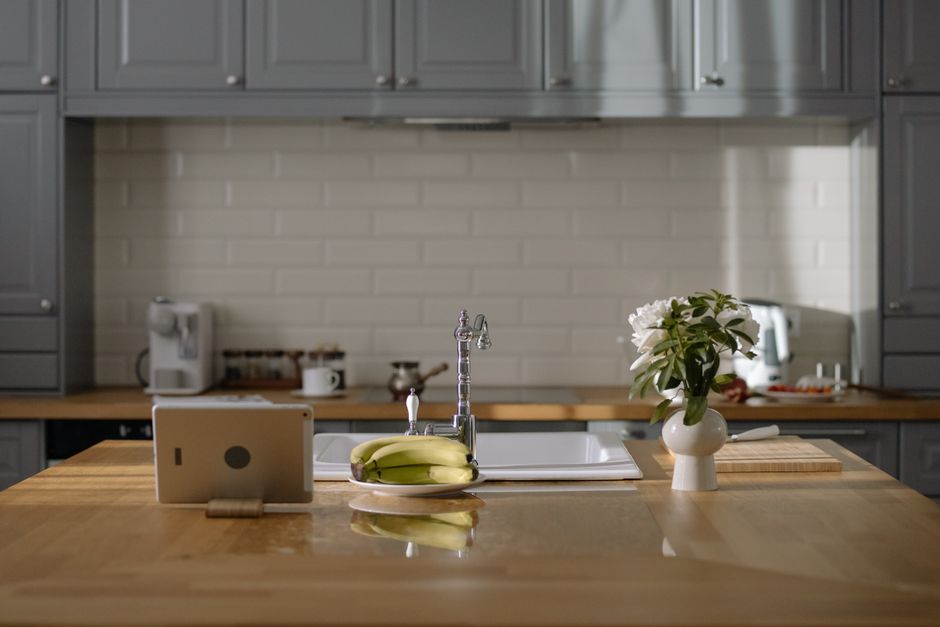
The kitchen counter is cluttered with the remnants of last night’s dinner, a half-filled lunch container still soaking in the sink. As I sip my coffee, my phone buzzes with a notification, pulling my attention away from the daily reset I had planned. It’s a typical weekday morning, and I can feel the pressure of the clock ticking down to my first work block. I had intended to check the weather and finalize my hobby plans for the evening, but the distraction of that notification has already derailed my focus. The small habit of preparing for my evening routine is slipping away, overshadowed by the chaos of a late-start day.
In the rush, I realize that I skipped a crucial step: I hadn’t moved my workout gear to the living room the night before. Now, it’s hidden away in the bedroom, adding another layer of friction to my already crowded morning. This sequence of tasks—checking the weather, laying out my gear, and setting intentions for my hobby—should flow seamlessly, but interruptions like phone notifications and unprepared spaces disrupt the rhythm. Each small oversight compounds, making it harder to maintain consistency in my hobby as the day unfolds.
Inside the Morning Routine: A Realistic Scene
The kitchen counter is a jumble of last night's dishes, with a lunch container still soaking in the sink. It’s an ordinary weekday morning, and I’m trying to reset after a late finish. The clock is ticking down to my first work block, and my mind races through the tasks ahead. I had planned to check the weather and finalize my hobby plans for the evening, but a phone notification interrupts my thoughts, pulling my focus away from the daily reset I desperately need.
In the midst of this chaos, I realize I’ve skipped a crucial step: I hadn’t moved my workout gear to the living room the night before. Now, it’s hidden away in the bedroom, complicating my already rushed routine. Instead of a smooth flow from checking the weather to laying out my gear, I’m left scrambling. I can see the workout clothes tucked away, a reminder of how small adjustments can prevent hobby consistency from slipping. With each distraction, like the dishes demanding my attention, I feel the weight of unpreparedness compound, making it harder to maintain my evening hobby plans as the day unfolds.
The Moment of Slippage: Where Routines Break
The kitchen counter is cluttered with breakfast dishes and a half-packed lunch container, remnants of a rushed morning. As I pour my coffee, I realize I haven’t checked the weather yet. This small habit, often overlooked, can derail my entire day’s planning, especially when I’m trying to fit in my evening hobby. Without knowing if it’s going to rain, I might skip my outdoor workout, which sets off a chain reaction of missed opportunities.
Just then, a phone notification buzzes, pulling my attention away from my daily reset. I glance at the screen, and suddenly, my focus shifts from preparing for the day to responding to a message. That one missed check—the weather—now feels compounded by this distraction. I should have done this the night before, but instead, I’m left scrambling to figure out my plans while trying to manage the morning chaos.
As I look back at the sink, the lunch container still sits there, a reminder of how easily tasks can pile up. The clutter around me reflects my mental state; I’m not just unprepared for the day, but I’m also at risk of letting my hobby slip away. Each moment of distraction makes it harder to commit to my evening plans. I need to prioritize this check earlier in my routine, ideally moving it to the night before, to prevent these cascading effects from derailing my hobby consistency.
This same friction shows up again in Daily Routines Real Life, especially when the day tightens unexpectedly.
Understanding the Friction: Why Steps Get Hidden
In the chaos of late-start weekday mornings, too many steps remain obscured until the moment arrives. Standing at my kitchen counter, I realize I’ve overlooked checking the weather, a simple task that now feels daunting. The coffee pot gurgles in the background, but my mind is racing through the list of things I still need to do. The lunch container, still sitting in the sink, is a stark reminder that I didn’t prep as well as I could have the night before.
A sudden buzz from my phone interrupts this thought process, pulling my attention away from my daily reset. As I glance at the screen, I see a notification that demands immediate attention, shifting my focus from the morning routine to a message that can wait. This distraction compounds the earlier oversight; now I’m not just scrambling to figure out my plans, but I’m also at risk of letting my hobby slip away. The good intentions I had for a productive morning are overshadowed by the unexpected nature of these interruptions.
To regain control, I need to move the weather check to the night before. This small adjustment can create a smoother workflow in the morning, allowing me to focus on my hobby without the looming sense of chaos. By prioritizing this simple step, I can cut down on cognitive overload and set myself up for a more consistent routine. However, I also recognize that this tradeoff—choosing to prepare the night before—requires discipline, especially when the allure of a late-night binge-watch tempts me to skip it. The friction of hidden steps can easily derail my intentions, but with a bit of foresight, I can keep my hobby on track. Adjusting the Sequence: A Simple Change The kitchen counter is cluttered with remnants of last night’s dinner, and the clock is ticking as I scramble to start my workday. A quick glance at my phone reveals a notification: the weather app has a new update. This moment, where I’m caught between checking the forecast and preparing for my day, highlights a common pitfall in my morning routine. Too many steps remain hidden until the moment begins, and I find myself overwhelmed, risking the consistency of my hobby.
To ease this friction, I can integrate a small habit into my evening routine: checking the weather before bed. By moving this task to the night before, I can plan my outfit and any outdoor activities without the morning rush. This adjustment reduces decision fatigue and allows me to focus on my hobby during the first work block. For instance, if I know it’s going to rain, I can set my lunch container on the counter to remind me to grab my umbrella before heading out. This simple shift creates a smoother workflow in the morning, making it easier to maintain my hobby consistency.
While this change seems minor, it requires discipline to resist the temptation of a late-night binge-watch. The tradeoff here is clear: I must prioritize my evening reset over fleeting entertainment to keep my day structured. By checking the weather and preparing my lunch container the night before, I can significantly reduce the chaos that often derails my morning routine.
Carrying Forward: The Impact on the Day Ahead
If this pattern keeps repeating, Everyday Life In The extends the idea without leaving the niche.
With the weather checked the night before, I find myself standing at the kitchen counter during my first work block, feeling surprisingly calm. The phone notifications that usually bombard me in the morning are muted, allowing me to focus on the tasks ahead rather than scrambling to figure out what to wear or if I need an umbrella. This small adjustment has a ripple effect, transforming my weekday routine into something more manageable.
Instead of rushing through breakfast and dashing out the door, I can take a moment to engage in my hobby—a quick sketch or a few minutes of reading—before diving into work. The lunch container, which I’ve placed on the counter as a visual reminder, sits next to my prepared bag. This visual cue prompts me to double-check that I’ve packed everything I need, including that umbrella for the rain forecasted. The shift in my morning sequence allows for a smoother transition into the day, making it easier to maintain consistency in my hobby.
However, the temptation to scroll through social media is always lurking. That late-night binge-watch can easily cut into my evening reset, making it harder to stick to this new routine. The tradeoff is clear: I must resist the urge to get lost in screens at night to keep my mornings structured and my hobbies alive.
As the morning unfolds, the small adjustments in my routine become increasingly vital. If I take a moment to check the weather on my phone before packing my bag, I can avoid that last-minute scramble for an umbrella. This simple action not only prepares me for the day ahead but also creates a space where I can fit in a few minutes of my hobby, like sketching or reading. The lunch container, still sitting in the sink, serves as a reminder of the tasks that can slip through the cracks when I’m rushing. By moving the task of packing my lunch to the night before, I free up precious time in the morning, allowing for a smoother transition into my workday.
On a crowded day, it’s easy to let hobby consistency slip, especially when distractions like phone notifications pull me away from my reset. Recognizing this friction is key. The next time I find myself in the kitchen, I’ll place my phone out of reach to minimize interruptions. This small change can help me stay focused on my morning sequence and keep my hobby alive amidst a busy schedule.